
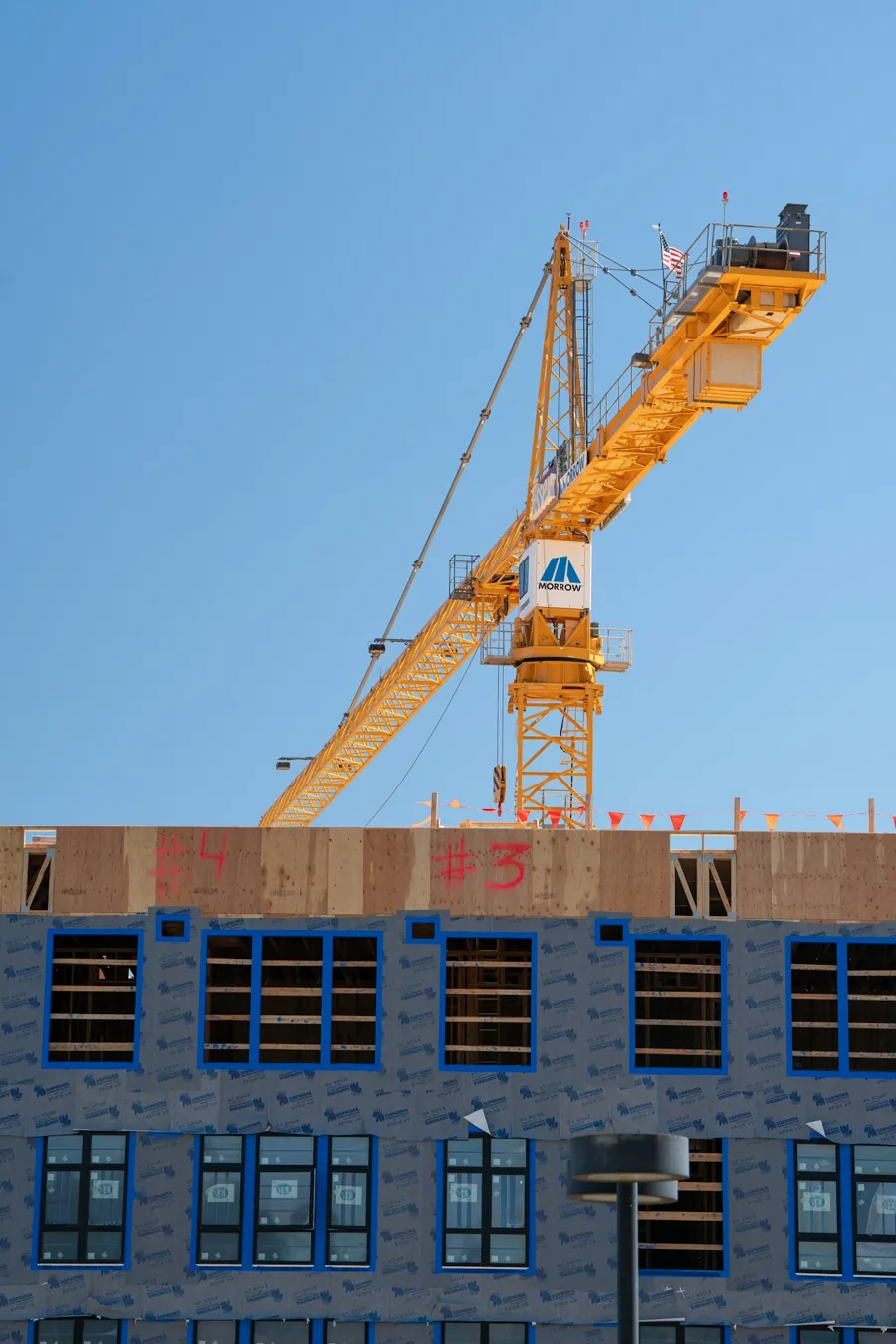
A Property Is Only One Part of the Opportunity
Real estate opportunities are rarely as simple as buying, selling, or developing a property.
The viability of an opportunity may depend on:
Ownership.
Site control.
Existing debt.
Tenants.
Zoning.
Infrastructure.
Capital.
Environmental conditions.
Adjacent parcels.
Redevelopment potential.
Market demand.
Government participation.
Operating costs.
Strategic partners.
Exit options.
Cedric Burl & Company helps owners, investors, developers, institutions, and organizations examine the larger picture surrounding selected real estate and asset-related opportunities.
Our role is strategic.
We help organize the information, identify critical issues, evaluate opportunities, coordinate professional resources, and develop a practical path forward.
Powered by the AGI Method™
Assessment | Growth Strategy | Implementation
A concept needs a path to feasibility.
Start with verified facts, then evaluate the options that fit the owner’s objective.
- 01ControlConfirm ownership, rights, and access.
- 02ConstraintsReview use, zoning, condition, and infrastructure.
- 03FeasibilityCoordinate market, cost, and professional analysis.
- 04StrategyEvaluate capital, phasing, partners, and exit options.
Strengthen the existing asset or operating model.
Evaluate a different use, market, or physical plan.
Consider portfolio fit and disposition readiness.
Options depend on the property. Formal title, legal, engineering, environmental, appraisal, and other specialized work belongs with qualified professionals.
Start With The Asset
Before determining what should happen with a property, portfolio, or development opportunity, we work to understand what actually exists.
Depending on the engagement, the initial assessment may examine:
- Property type
- Ownership
- Entity structure
- Existing debt
- Liens
- Taxes
- Leases
- Tenancy
- Operating history
- Current condition
- Existing improvements
- Site control
- Adjacent ownership
- Easements
- Access
- Utilities
- Zoning
- Current use
- Potential use
- Market conditions
- Existing contracts
- Prior development plans
- Capital requirements
- Disposition objectives
The purpose is to establish a clearer factual picture before recommending a strategy.
Site Control Matters
A development concept may appear attractive until ownership and control are examined.
A larger site may involve:
- Separately owned parcels
- Ground leases
- Anchor tenants
- Easements
- Reciprocal agreements
- Outparcels
- Hotels
- Retail pads
- Rights of first refusal
- Restrictions
- Access rights
- Utility agreements
- Parking agreements
- Existing development rights
If the necessary property cannot be acquired, optioned, leased, coordinated, or otherwise brought under sufficient control, the development strategy may need to change.
That is why site control is often one of the first questions that should be answered.
Ownership And Property Research
Real estate decisions should be based on verified information.
Depending on the engagement, we may help organize or coordinate research related to:
- Current ownership
- Entity ownership
- Parcel information
- Tax records
- Recorded deeds
- Mortgages
- Liens
- Easements
- Legal descriptions
- Prior transfers
- Existing leases
- Public records
- Available title information
Where formal title opinions, legal interpretation, surveys, or other specialized work is required, those services must be performed by appropriately qualified professionals.
Portfolio Strategy
Some owners are not dealing with one property.
They may have:
Multiple commercial properties.
Vacant land.
Residential assets.
Distressed buildings.
Income-producing properties.
Redevelopment opportunities.
Mixed-use assets.
Properties in different stages of renovation.
Cedric Burl & Company may help organize the portfolio and evaluate each asset individually and as part of the larger ownership strategy.
A portfolio review may consider:
- Current value
- Income potential
- Condition
- Capital requirements
- Strategic importance
- Renovation needs
- Disposition potential
- Redevelopment opportunity
- Debt
- Tax considerations
- Ownership structure
- Marketability
- Hold-versus-sell considerations
- Potential packaging opportunities
The objective is to give the owner a clearer view of the entire portfolio.
Hold, Improve, Reposition, Or Sell
A property owner may have several strategic options.
Hold
Continue ownership under the current model.
Improve
Invest capital to strengthen occupancy, operations, condition, or income.
Reposition
Change the property's use, tenant mix, branding, operating strategy, or market position.
Redevelop
Pursue substantial physical or strategic redevelopment.
Package
Combine multiple assets into a larger portfolio opportunity.
Sell
Prepare the asset for disposition to the appropriate market.
The appropriate strategy depends on the owner's objectives, available capital, timing, property condition, market conditions, and other considerations.
Redevelopment Strategy
Redevelopment can involve significantly more complexity than a traditional property transaction.
Depending on the opportunity, the strategy may need to consider:
- Site control
- Land assembly
- Existing structures
- Demolition
- Zoning
- Entitlements
- Infrastructure
- Utilities
- Environmental issues
- Traffic and access
- Parking
- Public participation
- Development incentives
- Anchor tenants
- Economic feasibility
- Community impact
- Capital stack
- Phasing
- Construction
- Potential end users
- Exit strategy
Cedric Burl & Company helps organize these moving pieces so leadership can understand what must happen before the concept can become an executable project.
Feasibility Before Commitment
A good concept does not automatically create a viable project.
Before significant capital is committed, questions may need to be answered about:
- Market demand
- Project cost
- Revenue potential
- Construction costs
- Operating expenses
- Financing
- Infrastructure
- Ownership
- Site control
- Development timeline
- Regulatory requirements
- Tenant demand
- Community support
- Exit assumptions
Where a formal feasibility study, appraisal, engineering report, market study, environmental review, or other technical analysis is required, we help coordinate the appropriate professionals.
Capital Strategy
Real estate opportunities often depend on multiple sources of capital.
Potential sources may include:
- Senior debt
- Construction financing
- Bridge financing
- Private credit
- Equity
- Joint-venture capital
- Seller financing
- Public incentives
- Tax credits
- Economic-development programs
- Grants
- Institutional capital
- Family-office capital
- Strategic partners
The capital strategy should fit the project.
Cedric Burl & Company may help organize the capital requirement, identify potential funding pathways, prepare information, and coordinate discussions with appropriate funding professionals.
We do not guarantee financing or investment.
Sources And Uses
One of the most important questions in a real estate opportunity is:
Where is the money coming from, and where is it going?
Depending on the project, the uses may include:
- Acquisition
- Closing costs
- Existing debt payoff
- Renovation
- Construction
- Environmental remediation
- Infrastructure
- Professional fees
- Tenant improvements
- Leasing costs
- Operating reserves
- Interest reserves
- Marketing
- Working capital
- Contingency
A clear sources-and-uses analysis can help reveal whether the project is realistically capitalized.
Due Diligence Organization
Complex opportunities can generate large amounts of documentation.
We may help organize information such as:
- Deeds
- Title information
- Surveys
- Property-tax records
- Leases
- Rent rolls
- Operating statements
- Environmental reports
- Property-condition reports
- Appraisals
- Plans
- Zoning information
- Utility information
- Insurance
- Photographs
- Development concepts
- Existing contracts
- Loan documents
- Municipal records
- Prior studies
The objective is to create an organized information environment so decision-makers and professionals can evaluate the opportunity more efficiently.
Opportunity Memoranda And Investor Materials
Selected opportunities may require clear presentation materials.
Depending on the engagement, Cedric Burl & Company may help coordinate:
- Property summaries
- Portfolio summaries
- Opportunity memoranda
- Executive summaries
- Redevelopment narratives
- Property matrices
- Due-diligence indexes
- Investor presentations
- Sources-and-uses summaries
- Market information
- Project timelines
- Strategic narratives
Any financial assumptions should be supportable and clearly distinguished from verified facts.
Asset Disposition Strategy
Selling an asset should involve more than placing it on the market.
The owner should understand:
What is being sold?
What documentation is available?
What issues could affect a transaction?
Should assets be sold individually or together?
Who is the likely buyer?
What information should be disclosed?
What needs to be resolved before marketing?
What is the owner's timing?
What is the minimum acceptable outcome?
Cedric Burl & Company may help owners organize those considerations before a property or portfolio is formally marketed.
Buyer And Investor Alignment
Different investors have different acquisition criteria.
They may consider:
- Geography
- Property type
- Purchase price
- Occupancy
- Cap rate
- Condition
- Development potential
- Value-add opportunity
- Hold period
- Tenant profile
- Deal size
- Capital requirements
- Risk
- Exit potential
Understanding the likely buyer profile can help the owner position the opportunity more effectively.
Where licensed brokerage activity is required, those activities are handled by appropriately licensed real estate professionals.
Public-Private And Institutional Opportunities
Some projects may require coordination between private owners and public or institutional stakeholders.
Potential participants may include:
- Municipalities
- Counties
- Economic-development organizations
- Housing authorities
- Universities
- Healthcare systems
- Nonprofits
- State agencies
- Federal programs
- Utilities
- Community organizations
These opportunities may involve:
- Infrastructure
- Incentives
- Workforce development
- Housing
- Mixed-use development
- Community revitalization
- Commercial redevelopment
- Institutional expansion
- Public-private partnerships
Cedric Burl & Company may help identify potential areas of alignment and coordinate the broader strategic discussion.
Professional Team Coordination
Real estate projects may require a multidisciplinary team.
Depending on the project, that may include:
- Real estate attorneys
- Title professionals
- Brokers
- Lenders
- Investors
- Appraisers
- Surveyors
- Engineers
- Architects
- Contractors
- Environmental consultants
- Planners
- Accountants
- Insurance professionals
- Property managers
- Municipal officials
- Economic-development professionals
Our role may include helping identify what professional resources are needed, organizing information, coordinating communication, and maintaining visibility across the larger strategy.
Real Estate Opportunity Intelligence
Real estate opportunities often look different after deeper research.
A property may appear undervalued but require substantial capital.
A redevelopment opportunity may depend on acquiring an adjacent parcel.
A seemingly vacant building may have existing lease obligations.
A portfolio may be more valuable strategically than the sum of its individual properties.
A development concept may become more viable when public incentives or strategic partners are introduced.
That is why we apply Opportunity Intelligence to selected real estate engagements.
We examine what is known, what remains uncertain, what needs verification, and what must happen before significant resources are committed.
Risk Identification
Our role is not simply to identify what could go right.
We also look for issues that could prevent the strategy from working.
Potential issues may include:
- Lack of site control
- Ownership disputes
- Liens
- Tax issues
- Environmental concerns
- Deferred maintenance
- Structural problems
- Insufficient infrastructure
- Tenant complications
- Capital shortfalls
- Unrealistic development assumptions
- Zoning limitations
- Access problems
- Restrictive agreements
- Market weakness
- Insufficient documentation
Identifying a material issue early may save considerable time and expense.
Who This Service Is For
Real Estate, Redevelopment & Asset Strategy may be appropriate for:
- Property owners
- Portfolio owners
- Developers
- Investors
- Family-owned real estate businesses
- Entrepreneurs
- Nonprofits
- Institutions
- Municipalities
- Companies holding underutilized property
- Owners considering disposition
- Organizations evaluating redevelopment opportunities
- Investors reviewing complex real estate opportunities
Our Role
Cedric Burl & Company may assist with:
- Opportunity assessment
- Portfolio organization
- Property research coordination
- Site-control analysis
- Ownership research
- Due-diligence organization
- Redevelopment strategy
- Capital strategy
- Professional-team coordination
- Investor-material coordination
- Asset-disposition planning
- Strategic-partner identification
- Public-private opportunity analysis
- Implementation tracking
We serve as a strategic advisory and coordination resource around the opportunity.
What We Do Not Do
Cedric Burl & Company is not a law firm, title company, appraisal firm, engineering firm, architectural firm, construction company, lender, securities broker-dealer, or real estate brokerage unless a particular service is separately provided through an appropriately licensed party.
We do not provide legal opinions, appraisals, engineering conclusions, title opinions, investment advice, or regulated brokerage services.
When those services are required, they must be performed by appropriately licensed or qualified professionals.
Look Beyond The Property
The most important question is often not:
What is this property worth today?
The better questions may be:
What controls the opportunity?
What prevents the property from reaching its potential?
What additional resources are required?
What should happen before capital is committed?
Who needs to be involved?
What is the best strategic use of the asset?
And what is the owner's ultimate objective?
That is the perspective Cedric Burl & Company brings to selected real estate engagements.
Request a Real Estate Strategy Discussion ↗Cedric Burl & Company
Strategic Growth & Opportunity Intelligence
Powered by the AGI Method™
Assessment | Growth Strategy | Implementation